Health & Safety Policy for Business Waste Removal in Edmonton and Surrounding Areas
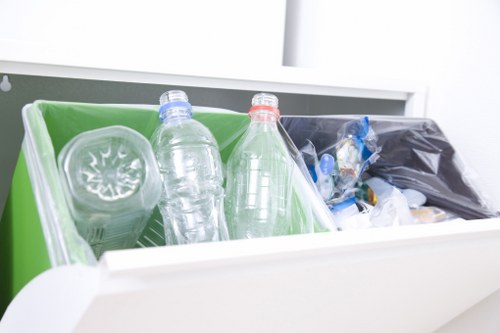 Policy statement: This document sets out the Health and Safety Policy for our commercial refuse and business waste removal operations. Our objective is to protect the health, safety and welfare of staff, contractors, customers and the public while providing reliable commercial waste collection, rubbish removal and disposal services in the Edmonton area. The organisation is committed to achieving high standards of safety through systematic risk management, training and continual improvement.
We recognise that consistent safety performance is a core part of responsible business rubbish removal. Responsibility for implementing this policy rests with senior management, site supervisors and every employee engaged in business waste disposal tasks. All personnel must understand their role in maintaining safe operations and must follow the procedures and safe systems of work put in place.
 Scope: This policy applies to all activities associated with commercial waste removal Edmonton operations including, but not limited to, pickup, transportation, transfer, sorting and disposal of non-hazardous and designated hazardous materials. It covers permanent employees, temporary staff, subcontractors and visitors where they may be exposed to risks arising from rubbish collection and commercial waste handling.
Risk assessment and safe systems
Regular, documented risk assessments are carried out for all routes, depots and on-site services. Assessments identify hazards such as manual handling, vehicle movements, sharps, sharp objects in waste streams, hazardous substances and slip/trip risks. Control measures are implemented following the hierarchy of controls with elimination, substitution, engineering and administrative actions, and personal protective equipment (PPE) used where necessary.Operational controls
Safe working procedures are in place for loading, unloading, compaction operations, container handling and site access. Staff must follow vehicle safety checks, maintain safe speeds and use audible/visual warnings. Lock-out and isolation procedures apply to plant maintenance, and decisive segregation rules apply to avoid mixing incompatible wastes.Personal protective equipment: Appropriate PPE is provided and maintained including gloves, eye protection, hi-vis clothing, respiratory protection where required, and steel-toed footwear. Use of PPE is mandatory where risk assessments indicate necessity. Supervisors ensure correct PPE fit and condition prior to commencing tasks.
 Training and competence: All personnel receive induction training, job-specific instruction and refresher training covering safe manual handling, hazardous waste awareness, emergency procedures and safe driving practices for heavy goods vehicles. Competence is verified through observation, assessment and recorded qualifications for specialist roles. Contractors working on behalf of the rubbish removal provider must demonstrate equivalent training and safety performance.
Vehicle and plant safety: Vehicles, compaction units and mechanical lifting devices are subject to scheduled maintenance, pre-start checks and statutory inspections. Drivers follow secure load procedures and documentation for consignments. Vehicle routes are planned to reduce risk to the public and the workforce while ensuring efficient commercial waste collection services in the region.
Storage and segregation of waste streams reduces cross-contamination and risk of accidental exposure. Clearly labelled containers and controlled access at depots ensure correct handling of recyclable, organic and potentially harmful wastes. Spill kits and containment measures are available at strategic locations.

Hazardous materials and incident management
Where designated hazardous waste is encountered, staff follow strict isolation, containment and notification procedures. Incidents involving chemical exposure, sharps injury or fire trigger immediate first-aid and emergency responses. All incidents, near misses and unsafe conditions are reported without delay and investigated to prevent recurrence.Emergency procedures
Emergency action plans detail roles, evacuation routes, assembly points and communication protocols for depots and customer sites. First aid provisions, trained responders and contact details for emergency services are maintained. Regular drills ensure readiness for fires, spills or other critical events.Reporting and monitoring: A transparent reporting culture is encouraged. Incident reports, safety observations and audit results are recorded and reviewed by management to measure performance. Key performance indicators include accident frequency, near-miss rates and compliance levels for vehicle checks and training completion.
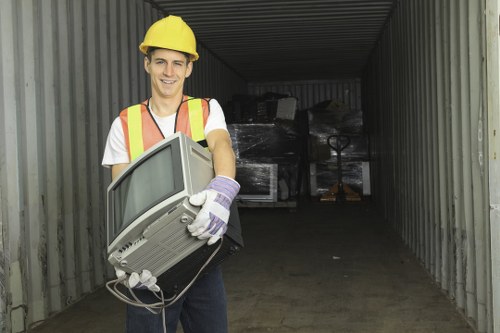 Contractor and supplier management: Contractors engaged for transfer, recycling or disposal must meet our safety standards. Contracts specify safety obligations, insurance and compliance with waste handling regulations. Pre-qualification, site safety briefings and regular audits form part of supplier oversight to ensure consistent safety in commercial rubbish collection and disposal activities.
Continuous improvement is enabled through regular policy review, consultation with the workforce and updating risk controls in line with industry best practice. Health surveillance is provided where required and wellbeing initiatives support a safe, healthy workforce dedicated to professional business waste removal.
Review and responsibility: This Health & Safety Policy is reviewed at least annually or after significant changes to operations. Management assigns clear responsibilities for policy implementation and provides the resources necessary to meet safety objectives. By following this policy, we aim to deliver reliable, safe and environmentally responsible rubbish removal and commercial waste services in Edmonton and nearby communities.
