Meridian Water home clear outs rubbish collection tips
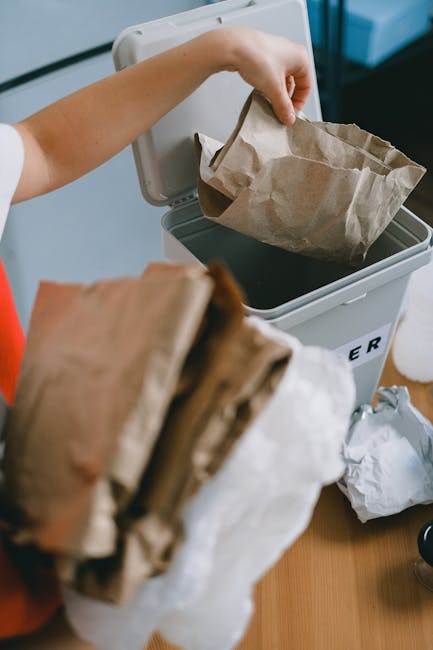
If you are planning a home clear out in Meridian Water, the rubbish can build up faster than you expect. One cupboard turns into three. A loft box turns into half the hallway. And somehow there is always one awkward item that nobody wants to deal with. This guide to Meridian Water home clear outs rubbish collection tips is built to help you stay organised, avoid common mistakes, and choose the right way to clear waste without stress.
Whether you are sorting a flat, a family house, a garage, or a whole property, the goal is simple: remove rubbish safely, keep recyclable materials separate where possible, and finish with less hassle. You will also find practical advice on timings, compliance, bulky items, and how to decide when a professional service is the better fit. To be fair, that decision is often easier once you see the full picture.
Why Meridian Water home clear outs rubbish collection tips Matters
Home clear outs are not just about throwing things away. They are about making sensible decisions item by item. In Meridian Water, where people may be moving, renovating, downsizing, or just trying to reclaim a spare room, rubbish collection needs a bit of structure. Without it, waste gets mixed, valuable items get damaged, and the whole job takes longer than it should.
Good rubbish collection tips matter because domestic clear outs often involve several waste streams at once: general household rubbish, furniture, appliances, garden waste, old paperwork, broken fixtures, and sometimes awkward materials that need extra care. When those are handled properly, the process feels calmer. The room empties faster. You can see progress. That sounds small, but it makes a real difference on a busy day.
There is also a practical London reality to consider. Parking, access, stairs, narrow hallways, and time windows can all affect how a collection goes. A plan that looks easy on paper can turn into a slog if you have not thought through the route from room to vehicle, or whether heavy items need two people rather than one. Honestly, this is where many clear outs go a bit sideways.
For broader household or mixed-item removals, it can help to understand related services such as home clearance, house clearance, and flat clearance. Those pages are useful if your Meridian Water project is bigger than a simple rubbish collection.
How Meridian Water home clear outs rubbish collection tips Works
The basic process is straightforward, but the details matter. First, you identify what needs to go. Then you sort by type, size, and disposal route. After that, you decide whether you are using council collection, a skip, a man-and-van style clearance, or a dedicated waste removal service. Each method has strengths, and each has limits.
In a typical home clear out, the best results come from separating items before collection day. Keep reusable items apart from rubbish. Put recyclable cardboard and metal where they can be reached easily. Keep anything sharp, wet, or potentially hazardous in a clearly marked section. If you are clearing a loft or garage, take a moment to check for old paint tins, chemicals, batteries, or appliances before moving bags around. That one little check can save a lot of fuss later.
Some items need specific handling. Large furniture, white goods, mattresses, fridges, and sofas often require special disposal arrangements because of size, materials, or environmental handling. If your clear out includes a tired old bed or a fridge that has finally given up, pages like mattress and sofa disposal and fridge and appliance removal are directly relevant. They are not glamorous topics, granted, but they save time.
The collection day itself should be treated like a small project. Clear access, protect walls if needed, and make sure bags are sealed properly. If the waste is mixed and heavy, keep the heaviest pieces nearest the exit. You do not want to be carrying a broken wardrobe through a cluttered kitchen while muttering to yourself. Nobody does.
Key Benefits and Practical Advantages
A good rubbish collection plan for a Meridian Water home clear out offers more than tidiness. It reduces decision fatigue. It keeps the job moving. And it helps you avoid those awkward last-minute moments when you realise the council bin is already full, the skip is not allowed on the pavement, or the old sofa is too large for the car boot. Small things, big impact.
- Faster progress: Sorting before collection day means less standing around and fewer delays.
- Better safety: Clear pathways reduce lifting accidents and trips, especially on stairs.
- Cleaner recycling: Materials are easier to separate when they are not mixed in one pile.
- Less stress: A structured plan makes the job feel manageable rather than endless.
- Better value: You may avoid paying for space or labour you do not need.
There is also the emotional side. Home clear outs can be surprisingly draining. You are not only moving objects; you are sorting through memories, habits, and unfinished tasks. A clear method helps you keep going when motivation dips around lunchtime and the room still looks half full. Been there, to be fair, more times than I can count.
If sustainability matters to you, it is worth building recycling into the process rather than treating it as an afterthought. The site's recycling and sustainability approach is a good reminder that a clear out can be practical and responsible at the same time.
Who This Is For and When It Makes Sense
This guidance is useful for anyone dealing with domestic rubbish in Meridian Water, but a few situations especially benefit from a structured approach.
- People moving home and trying to reduce what comes with them
- Landlords and tenants after a tidy-up or end-of-tenancy clear out
- Families clearing a loft, garage, shed, or spare room
- Homeowners preparing for refurbishment or decorating
- Anyone dealing with bulky furniture or mixed household waste
- Busy people who need the job completed quickly rather than over several weekends
It also makes sense if you have a property with limited storage and clutter has quietly piled up over months. Sometimes the real problem is not a huge mountain of waste. It is lots of small piles in different rooms. That kind of clutter is sneaky. One basket here, a broken chair there, a stack of cardboard that never quite made it out. Suddenly, the place feels heavy.
In smaller homes or flats, the right plan matters even more. Narrow access, shared entrances, and limited lift space can change what is practical. If that sounds familiar, a service like garage clearance or a broader loft clearance may be a better fit than trying to manage everything through general bin collections alone.
Step-by-Step Guidance
Here is a simple way to tackle a home clear out without making it harder than it needs to be.
- Walk through the property first. Make a rough list of what needs to go and what might be kept, donated, repaired, or recycled.
- Split the waste into categories. Separate general rubbish, cardboard, metal, wood, textiles, furniture, appliances, and anything hazardous.
- Check for special items. Look for fridges, freezers, mattresses, sofas, old electronics, paint, and anything with chemicals or batteries.
- Clear access routes. Move smaller items away from doorways, stairs, and hallways before collection day.
- Bag and bundle sensibly. Use strong bags, tape loose cardboard, and keep sharp items wrapped safely.
- Decide the removal method. Pick the most suitable option based on volume, access, and item type.
- Book the collection early. If your deadline is tight, don't leave it to the last minute. That never ends well.
- Do a final sweep. Check cupboards, under beds, behind doors, and inside the loft hatch before the vehicle arrives.
A small but useful tip: label any pile that should not be taken. It sounds obvious, but in a busy clear out people can forget what is staying and what is going. A marker pen and a couple of notes can save arguments later on. Simple. Almost boring. Very effective.
If your clear out includes office-style paperwork, it may be worth keeping confidential waste separate and using a service such as confidential shredding. Old bank statements, client files, or personal letters should not be tossed into mixed rubbish without a second thought.
Expert Tips for Better Results
Experience teaches you that a good clear out is mostly won before collection day. The waste is the final stage. The prep is what matters.
Tip 1: Start with the easiest wins. Clear visible rubbish first. Cardboard, broken bags, and loose small items give quick momentum. Once the room looks less chaotic, harder decisions become easier too. Funny how that works.
Tip 2: Keep heavy items low and close to the exit. If you have furniture or appliance waste, do not bury it behind dozens of light bags. Arrange things so the load-out is logical, especially in tight homes or upper-floor flats.
Tip 3: Watch moisture and odours. Damp items, old food containers, and wet garden waste can create smells fast, especially in warm weather or closed rooms. Seal those items early and remove them promptly.
Tip 4: Protect the property. Blankets, cardboard sheets, or simple corner protection can help avoid scuffs on walls and door frames. A few marks are easy to make when moving bulky waste. A little care goes a long way.
Tip 5: Think in load order. If you are using a professional collection, place the largest or trickiest items where they can be removed first. It saves time and keeps the team moving smoothly.
Tip 6: Reuse when you can. Not everything has to be rubbish. Some pieces are suitable for reuse, repair, or donation if they are still safe and usable. The best clear outs are efficient, but they are not wasteful for the sake of it.
For people dealing with old furniture, a useful next step is reviewing furniture clearance and furniture disposal. Those services can help when flat-pack pieces have turned into a wobbly pile of regret. We have all had one of those projects, right?
Common Mistakes to Avoid
Most problems with home clear outs are avoidable. The tricky part is that the mistake often looks harmless at first.
- Mixing everything together: Once waste is blended, sorting gets slower and sometimes more expensive.
- Ignoring access: A cluttered corridor or blocked driveway can delay collection and create safety issues.
- Underestimating bulky items: Mattresses, wardrobes, and appliances take up more space than people expect.
- Leaving hazardous items in the pile: Paint, chemicals, sharp tools, and batteries need special attention.
- Forgetting to check cupboards and storage spaces: Empty rooms still hide things. Always do one last check.
- Booking too late: If you have a move-out date or renovation start date, give yourself breathing room.
One more common mistake: deciding the clear out can be done "after work" in a single evening. Maybe for a couple of bags, yes. For a whole room or a loft? Not likely. The job tends to grow arms and legs. That is just how it goes.
If your waste includes construction debris from decorating or repairs, it may be more suitable to review builders waste clearance. For larger mixed loads, waste removal is often the broader option to consider.
Tools, Resources and Recommendations
You do not need a huge amount of equipment for a successful clear out, but a few basics make life easier.
- Strong refuse sacks: Better for mixed light waste and small broken items.
- Marker pen and labels: Useful for marking keep, donate, recycle, and dispose piles.
- Gloves: Important for sharp edges, dusty lofts, and rough materials.
- Moving blankets or cardboard sheets: Handy for protecting door frames and floors.
- Tape, string, or straps: Helpful for bundling cardboard, rods, or lightweight timber.
- Trolley or sack barrow: A good idea for heavier items if access allows it.
For waste that you are not sure about, it is worth reading the site guidance on what can go in a skip. Even if you are not actually hiring a skip, that kind of material guide helps you understand which items are usually accepted together and which ones need separate handling.
For secure payment expectations or peace of mind before booking, the pages on payment and security and pricing and quotes are useful. No one likes surprise costs. Not even a little bit.
Law, Compliance, Standards, or Best Practice
For household waste, the main point is simple: use a responsible disposal route and do not mix in materials that need special handling. In the UK, waste producers have a duty to be sensible about where their waste goes, and that means choosing a service or method that can handle the material properly. If you are unsure, it is safer to stop and ask rather than guess.
As a practical best practice, keep hazardous items separate from general household rubbish. That includes chemicals, solvents, certain cleaning products, batteries, and some electricals. Fridges, freezers, mattresses, and large sofas may also have specific handling needs. It is not just about convenience; it is about doing the job properly and keeping people safe.
If you are using a third-party removal service, look for clear information on health and safety policy and insurance and safety. That is a good sign the work is being managed carefully. And if a service talks plainly about recycling and sustainability, even better. Clear communication usually means fewer surprises.
For hazardous items in particular, it is wise to treat them separately and use suitable handling routes. The page on hazardous waste disposal is relevant if your clear out includes anything that should not be mixed with ordinary rubbish.
Options, Methods, or Comparison Table
There is no single right answer for every home clear out. The best method depends on volume, access, timing, and the type of waste involved. Here is a simple comparison to help you decide.
| Method | Best for | Pros | Things to watch |
|---|---|---|---|
| Council-style disposal | Smaller, routine household waste | Simple for low-volume items | Less practical for bulky or mixed loads |
| Skip hire | Ongoing clear outs and larger volumes | Good for extended projects | Needs space, planning, and item restrictions |
| Professional clearance | Mixed waste, bulky furniture, quick turnarounds | Convenient and fast, with loading handled for you | Check what is included and what is excluded |
| DIY removal | Very small loads with easy access | Low-cost if you already have transport | Time, lifting, fuel, parking, and multiple trips |
For many Meridian Water households, professional clearance sits in the sweet spot because it reduces the heavy lifting and compresses the job into one visit. But if the waste is only a few bags and a broken chair, a simpler route may be enough. The trick is being honest about the scale of the job.
Case Study or Real-World Example
Here is a realistic example. A couple in Meridian Water were preparing to redecorate a two-bedroom flat and had let clutter spread into the spare room, hallway cupboard, and balcony. Nothing dramatic. Just everyday stuff: cardboard boxes, an old rug, a tired desk chair, a small broken cabinet, and a few bags of mixed rubbish that had built up over time.
At first, they tried to sort it all on a Sunday afternoon. Within twenty minutes they had the classic problem: one pile for recycling, one for rubbish, one for "not sure," and one for "maybe keep." That last category, as always, became the biggest. So they reset. They separated the easy items, measured the bulky bits, and set aside a couple of items that needed more careful disposal. They also checked the balcony for loose packaging that had been blown behind storage boxes. Tiny detail, but it mattered.
By the time the collection was arranged, the access route was clear and the waste was organised. The result was much smoother than the original free-for-all. Fewer trips. Less stress. And no frantic sorting in the street while the driver waited, which is honestly nobody's idea of a good time.
For a property with furniture-heavy waste, that sort of approach pairs well with house clearance or a targeted home clearance if the clear out is broader than just rubbish.
Practical Checklist
Use this checklist before collection day. It keeps the job neat and stops small oversights from becoming annoying delays.
- Identify everything that needs to go
- Separate rubbish, recycling, furniture, appliances, and hazardous items
- Set aside anything to donate, sell, or keep
- Check cupboards, lofts, sheds, and behind doors
- Bag loose waste securely
- Wrap sharp items safely
- Bundle cardboard and lightweight materials
- Make access routes clear
- Protect floors or walls if bulky items are being moved
- Confirm what the service will and will not take
- Keep special items separate
- Have payment and booking details ready
Expert summary: The cleanest home clear outs are rarely the biggest or the quickest. They are the ones where waste is sorted early, access is planned properly, and awkward items are handled before they become a problem. Simple, but very effective.
Get a free quote today and see how much you can save.
Conclusion
Meridian Water home clear outs rubbish collection tips are really about making the job less chaotic and more controlled. A good plan helps you move faster, waste less effort, and avoid the common traps that turn a straightforward clear out into a long weekend of frustration. Sort early, protect access, separate special items, and choose the right removal method for the load in front of you.
If the job is small, you may only need a simple disposal route. If it is bigger, mixed, or time-sensitive, a professional clearance approach can make the whole process easier and safer. Either way, the same principle applies: do the tidy thinking first, then let the rubbish leave on your terms. And once it is done, take a minute to enjoy the space. That quiet feeling when the room finally breathes again? That is the good bit.
Frequently Asked Questions
What is the best way to handle a home clear out in Meridian Water?
The best approach is to sort items before collection day, separate bulky or hazardous waste, and choose a removal method that matches the volume. For mixed loads, professional clearance is often the easiest route.
Can I mix furniture and general rubbish together?
You can in some cases, but it is usually better to keep bulky furniture separate so it is easier to assess, load, and dispose of correctly. It also helps avoid delays on collection day.
What items need special care during a rubbish collection?
Fridges, freezers, mattresses, sofas, paint, batteries, chemicals, and some electrical items are the main ones to watch. They often need separate handling or a specific disposal route.
How do I prepare my house before a collection?
Clear access paths, bag loose waste securely, label keep and dispose piles, and do a final check of storage areas. A quick sweep through lofts, cupboards, and under beds can save a lot of backtracking.
Is it worth booking a full home clearance instead of doing it myself?
If you have bulky items, limited access, or a tight deadline, yes, it often is. DIY can work for smaller loads, but once the waste piles up, the time and lifting can become more hassle than it is worth.
What should I do with old appliances?
Old appliances should be set aside separately because they can contain materials that need careful handling. If you have a fridge, freezer, or similar item, look for a service that specifically handles appliance removal.
How can I keep the clear out environmentally responsible?
Separate recyclable materials, keep reusable items out of the rubbish pile, and avoid mixing hazardous materials with ordinary waste. A service with a clear recycling approach is usually the better choice.
Can I put everything into a skip?
Not always. Some items are restricted, and others need special handling. It is sensible to check what can go in a skip before deciding on that route, especially if your clear out includes mixed or awkward waste.
What is the biggest mistake people make during a home clear out?
The biggest mistake is usually not planning the sorting and access properly. People start moving items first and thinking later. That tends to create mess, delays, and a bit of frustration nobody needed.
How do I know if a waste removal service is suitable?
Look for clear information on what they take, how they handle safety, and how pricing works. Pages about pricing, safety, and sustainability are helpful because they show whether the service is transparent and practical.
Do I need to sort recycling myself?
It helps, yes. If you separate cardboard, metal, and other recyclable materials in advance, the process is usually smoother and more responsible. It also makes the clear out feel less like a giant mixed bin.
What should I do if I find hazardous waste in a cupboard or loft?
Leave it aside from the general rubbish and handle it carefully. If you are not sure what it is, do not mix it with ordinary waste. A dedicated hazardous disposal route is the safer option.
How far in advance should I plan a Meridian Water home clear out?
For small jobs, a few days may be enough. For larger or time-sensitive clear outs, give yourself more breathing room so you can sort items, check access, and book the right collection without rushing.