Silver Street station area bulky rubbish pickup options
If you live, work, or run a property near Silver Street station, bulky rubbish can become a small headache very quickly. A broken sofa in a flat hallway, an old wardrobe that will not fit down the stairs, a pile of garden offcuts after a weekend clear-out - it all takes up space, and it rarely gets less annoying the longer you leave it. This guide to Silver Street station area bulky rubbish pickup options explains the main ways to get unwanted items removed, how the process usually works, and what to look for if you want a clean, straightforward job done properly.
Whether you need to clear one item or several, the best choice depends on access, timing, item type, and how much lifting you want to do yourself. That part matters more than people think. Let's make it simple.
- Why Silver Street station area bulky rubbish pickup options matters
- How Silver Street station area bulky rubbish pickup options works
- Key benefits and practical advantages
- Who this is for and when it makes sense
- Step-by-step guidance
- Expert tips for better results
- Common mistakes to avoid
- Tools, resources and recommendations
- Law, compliance, standards, or best practice
- Options, methods, or comparison table
- Case study or real-world example
- Practical checklist
- Conclusion
- Frequently asked questions
Why Silver Street station area bulky rubbish pickup options Matters
Bulky waste is not just about mess. Around a station area, it can affect daily movement, shared entrances, and the overall feel of a property. A sofa left in a communal hallway looks messy, yes, but it can also make life awkward for neighbours, visitors, delivery drivers, and anyone with limited mobility. In flat blocks and terraced streets, that gets noticeable fast.
Silver Street station area bulky rubbish pickup options matter because the local setting often brings a mix of property types: smaller homes, flats, converted buildings, and busy streets with limited space for storing items before collection. You may not have a driveway. You may not want a skip outside for several days. You may simply need the waste gone on a day and time that fits around work, children, or building rules. Fair enough.
There is also the issue of what counts as bulky rubbish in the first place. Most people mean large household items such as furniture, mattresses, appliances, and mixed junk from a loft, garage, or end-of-tenancy clear-out. Others use the term for awkward waste from decorating or minor building work. Either way, the key is finding a method that fits the load, the access, and the urgency.
Expert summary: The best bulky rubbish solution is usually the one that removes stress, not just the waste. If access is tight or the items are awkward, a collection service that handles lifting and loading can be far more practical than trying to manage it yourself.
For business owners in the area, the stakes are a little different. Office declutters, stockroom clearances, and old furniture removal can interrupt trading if they are not handled efficiently. If that sounds familiar, it may help to review business waste removal alongside general clearance planning.
How Silver Street station area bulky rubbish pickup options Works
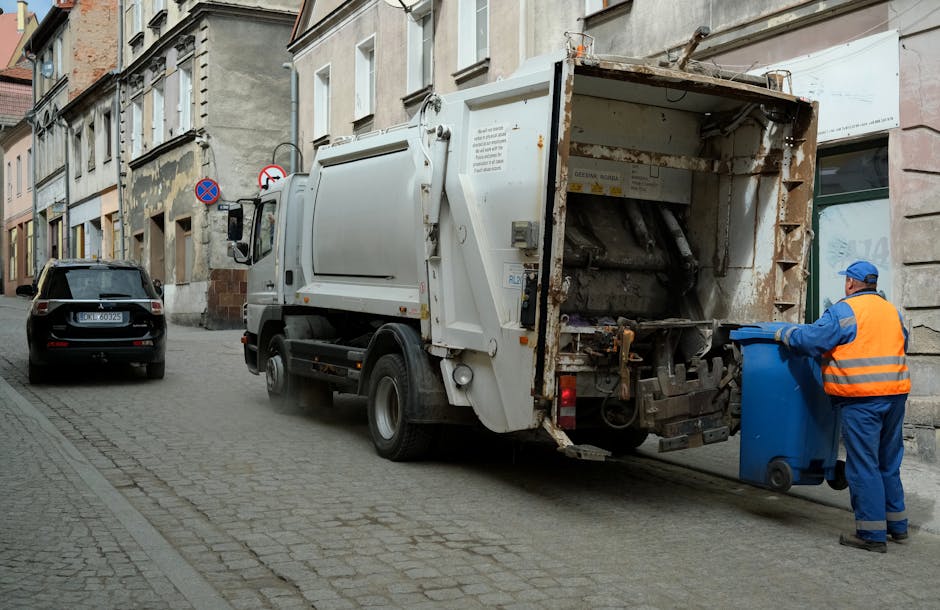
In most cases, bulky rubbish pickup follows a simple pattern. You identify the items, describe roughly what needs removing, arrange a time, and then the collection team turns up, loads the waste, and takes it away. The details vary depending on the provider and the type of waste, but the basic flow is usually the same.
Typical collection process
- List the items - note what needs removing and whether anything is particularly heavy, fragile, or hard to access.
- Check restrictions - some items need special handling, such as fridges, appliances, or hazardous materials.
- Arrange a visit or quote - many providers can give an estimate from photos, a description, or an on-site look if needed.
- Prepare the items - move anything safely to an accessible spot if possible, but do not injure yourself trying to drag a wardrobe down the stairs on your own. Really, do not.
- Collection and loading - the team removes the items, usually sweeping up loose debris afterwards.
- Sorting and disposal - waste is separated for reuse, recycling, or disposal where appropriate.
That sounds straightforward, but the hidden variable is access. A third-floor flat with narrow stairs is a very different job from a ground-floor garage clear-out. So are you dealing with a single mattress, or half a flat's worth of old furniture? These details affect timing, labour, and the type of vehicle or team needed.
If you are unsure what can go where, a useful starting point is the site's what can go in a skip guide. Even if you do not plan to hire a skip, it helps you think through what is accepted as general waste and what needs separate handling.
What bulky rubbish pickup may include
- Sofas, armchairs, and broken furniture
- Mattresses and bed frames
- Wardrobes, cupboards, and shelving
- Small appliances and white goods
- Garden waste bags and awkward outdoor debris
- End-of-tenancy household clutter
- Office desks, chairs, and storage units
- Mixed clearance waste from garages, lofts, and sheds
Some providers also deal with specialist items through separate services, for example fridge and appliance removal, mattress and sofa disposal, or hazardous waste disposal. That matters because not every bulky item belongs in a general load.
Key Benefits and Practical Advantages
There are several reasons people choose a pickup service rather than trying to move bulky waste themselves. Convenience is the obvious one, but there is more to it than that.
- Less lifting and fewer injuries - bulky items are awkward, and many cause problems simply because people underestimate the weight or shape.
- Faster clearance - one collection can often solve a problem that might otherwise drag on for weeks.
- Better for tight spaces - station-area properties often have narrow halls, stairs, or limited parking, which makes self-removal a pain.
- Cleaner finish - a proper service usually removes items from the point where they sit, not just from the curb.
- More flexible than a skip - if you only have a few bulky items, a pickup can be more sensible than leaving a container outside.
- Sorting for reuse or recycling - reputable operators will usually separate materials where possible, which supports better waste handling.
There is also peace of mind. To be fair, that is often what people are really buying. Not just removal, but certainty. You know the job will be done, the items will not sit there another week, and you can move on.
For properties being emptied completely, it can be worth looking at house clearance or home clearance if the job is bigger than a single collection. And if the items are mainly old furniture, furniture clearance or furniture disposal may be the cleaner fit.
Who This Is For and When It Makes Sense
Bulky rubbish pickup near Silver Street station makes sense for a wide range of people. Some need it urgently. Others just want a tidy-up done before the weekend. The common thread is usually one of three things: the items are too large for normal bins, too awkward for a car, or too much trouble to take away personally.
Common situations
- Tenants moving out - old beds, broken chairs, and leftover bits from furnished flats are common.
- Landlords and letting agents - quick turnaround is often the priority between tenancies.
- Homeowners decluttering - lofts and garages fill up quietly, then suddenly look like a mini warehouse.
- Families replacing furniture - when a sofa or wardrobe arrives, the old one has to go somewhere.
- Businesses - offices, shops, and small workplaces may need desks, filing cabinets, or stock fixtures removed.
- Gardeners and DIYers - after a clear-out, the pile can be bigger than expected. Happens all the time.
This is especially useful if you are short on time or cannot safely move heavy items yourself. It is also sensible where parking is restricted or loading space is tight. Around stations, that is not unusual. You may have traffic, neighbours, delivery vans, and a very narrow window to get things out. Not ideal for a weekend warrior with a borrowed hatchback.
If the job is more of a garage or storage clear-out, the related services garage clearance, loft clearance, and flat clearance may be more relevant than a one-off bulky item collection.
Step-by-Step Guidance
If you want the process to go smoothly, a little preparation helps. You do not need to overthink it, but a few sensible steps can save time and cost.
1. Identify exactly what needs removing
Start with the obvious items, then check corners, cupboards, and the shed. A job that begins with "just an old sofa" often turns into "and these three boxes, two broken lamps, and a fridge that has been sitting there since summer."
2. Separate general bulky waste from special items
Keep hazardous materials apart and flag anything unusual. Paint tins, chemicals, gas canisters, and some electrical items may need special handling. If in doubt, do not mix it into the pile and hope for the best. That is one of those ideas that sounds fine until collection day.
3. Check access and parking
Think about stairs, lifts, narrow halls, locked gates, resident permits, and where a vehicle can safely stop. If the collection team needs to carry items a long distance, tell them in advance. It helps with planning and avoids misunderstandings.
4. Request a quote or estimate
For straightforward jobs, a photo-based estimate may be enough. For larger clearances, a site visit or a more detailed description is better. For pricing guidance, see pricing and quotes.
5. Make the items easy to reach if you can
If it is safe, move smaller items into one area. Remove personal belongings from drawers and cabinets. If you are dealing with furniture, make sure it is ready to go and not packed with surprise paperwork from 2017.
6. Confirm what happens on the day
Ask how the collection will work, whether the team will carry items from inside the property, and whether any items are excluded. A clear conversation up front avoids awkwardness later.
7. Check the final result
Once the load is gone, have a quick look around. Check corners, under stairs, and behind doors. Sometimes you find one last chair leg or a broken shelf panel hiding in plain sight.
If the job is part of a bigger clear-out, a broader waste removal service may be easier than trying to organise item by item. And if the load includes commercial documents, confidential shredding can be a sensible add-on.
Expert Tips for Better Results
In our experience, the smoothest bulky rubbish pickups are the ones where the customer gives a little context, not just a list of items. A few practical details make a real difference.
- Send photos if possible - one clear image can explain more than a long message.
- Be honest about access - stairs, lifts, blocked paths, and parking restrictions all matter.
- Group items together - if several things are going, put them in one easy-to-reach spot where safe.
- Separate reusable furniture - some items may be better handled as furniture disposal rather than mixed waste.
- Plan around neighbours - in shared buildings, avoid busy times if items need moving through common areas.
- Ask about recycling - a responsible operator should be able to explain how waste is sorted.
One small thing people often miss: if you are clearing a flat, check lift dimensions before collection day. It sounds obvious. It still catches people out. A mattress that looks manageable in the room can become a mild comedy in the hallway.
Another useful tactic is to bundle your waste by type. Wood together, metal together, soft furnishings together, general junk together. Even if the team will sort it further, your own prep helps the job feel less chaotic.
Common Mistakes to Avoid
Most bulky rubbish problems are avoidable. Not all, but most. The same issues come up again and again.
- Underestimating the volume - people often think they have one load and discover they have two.
- Forgetting about access - a collection can go wrong simply because no one checked whether the item fits through the door.
- Mixing restricted items into general waste - this can slow the job down or cause the collection to be refused.
- Leaving items unprepared - a pile of dismantled furniture with loose screws everywhere is annoying for everyone.
- Choosing purely on price - cheaper is not always better if it means poor communication or hidden extras.
- Waiting too long - bulky waste tends to grow legs and multiply in the mind. The longer it sits there, the bigger it feels.
Another mistake is assuming all collection services are the same. They are not. Some are best for single-item pickups, others for mixed loads, and others for full-property clearances. Matching the service to the job matters more than a flashy headline.
Tools, Resources and Recommendations
You do not need specialist gear for every job, but a few basics make bulky rubbish handling safer and calmer.
Helpful practical items
- Work gloves for grip and protection
- Strong bin bags or rubble sacks for loose waste
- Marker tape or labels if you are sorting items by room or type
- A trolley or sack truck for safe movement where suitable
- Basic tools for dismantling furniture, if it is safe to do so
- Rags, dustpan, and brush for a quick tidy afterwards
If you are clearing outdoor waste, garden clearance can be a helpful option, especially for hedge cuttings, branches, and mixed garden debris. If the issue is a mix of bulky domestic items and odds and ends from storage, home clearance is often the better fit.
For people comparing providers, recycling and sustainability is worth reading before you book. It gives you a sense of how a responsible company thinks about material recovery, reuse, and disposal. You do not need to become a waste expert. You just need enough information to make a sensible choice.
Law, Compliance, Standards, or Best Practice
When dealing with bulky rubbish in the UK, the most important principle is simple: waste should be handled by someone who is properly authorised to take it away. That is true whether it is a single mattress or a mixed load from a flat. If a company is removing waste for you, you want confidence that it is operating responsibly, following proper transport and disposal practices, and treating any regulated items correctly.
For householders, the practical side is usually about due care. You should not leave waste where it blocks pavements, entrances, or shared spaces. In a station area, where people move quickly and access can already be tight, that is just common sense as much as anything else.
For businesses, the bar is a bit higher. You may need a service that understands office items, secure disposal for documents, and safe removal of equipment. If you are clearing work premises, it can be useful to review office clearance and business waste removal together so the job is handled in one go rather than in fragments.
Where hazardous waste is involved, use the right route. Do not put unknown chemicals, oils, batteries, or similarly risky items into a general collection unless the provider has explicitly confirmed they can accept them. If the item is an appliance, fridge and appliance removal is often the safer path than guessing.
Best practice also means clear communication. A trustworthy service should explain what it can take, what it cannot, how access affects the job, and what happens after collection. Simple, direct, no waffle.
Options, Methods, or Comparison Table
There is no single best method for every situation. The right choice depends on time, volume, access, and how much hands-on effort you want to avoid.
| Option | Best for | Pros | Trade-offs |
|---|---|---|---|
| Bulky rubbish pickup | One-off or mixed large items | Fast, convenient, usually minimal effort from you | May cost more than self-tipping if you already have transport |
| Skip hire | Longer projects, DIY, larger clear-outs | Handy if waste is generated over time | Needs space, may block access, and can be awkward in tight streets |
| Self-removal to a facility | Small loads and people with a suitable vehicle | Can be cost-effective if you can move it safely | Time-consuming, physically demanding, and not always practical |
| Full clearance service | Big household, garage, loft, or office clear-outs | Less effort, better for large and mixed loads | Usually more than a simple single-item collection |
If you are comparing bulky rubbish pickup with a container on the road, it is also worth reading what can go in a skip. That helps you understand which items are suitable for a skip and which are better handled by a collection team.
Practical takeaway: If you want the least hassle in a place with tricky access, pickup is often the smoothest choice. If the waste will keep building for days or weeks, a skip or fuller clearance may be better.
Case Study or Real-World Example
Picture a typical late-afternoon job near Silver Street station. A small flat has just been emptied after a move. There is an old mattress in the bedroom, two chairs that have seen better days, a wardrobe panel too large to fit in the lift, and a few boxes from the airing cupboard that no one wants to sort through again.
The resident had first considered a borrowed van and a couple of trips, but the stairwell was narrow and parking was tight. By the time the items were brought to the entrance, the job had already become more effort than expected. So the better option was a direct pickup: clear what could be moved safely, separate the awkward items, and let the collection team handle the rest.
The result was simple. The hallway was cleared, the bulky items were gone in one visit, and the flat felt immediately bigger. That last part is easy to underestimate. Once a large sofa or wardrobe leaves, the whole room changes. The air feels less blocked. The space breathes again. Oddly satisfying, really.
The same logic applies to a small office or shop storage area. If old desks, broken chairs, and unused fixtures are slowing down operations, a well-planned collection can restore order without turning the day upside down. And that, honestly, is usually the point.
Practical Checklist
Use this checklist before booking a pickup. It keeps things tidy and reduces last-minute surprises.
- Have you listed every bulky item that needs removing?
- Do any items need special handling, such as appliances or hazardous materials?
- Have you checked stair access, lift size, and parking restrictions?
- Are the items easy to reach on the day?
- Have you removed personal belongings from drawers, cupboards, and pockets?
- Have you asked for a quote that reflects the real amount of waste?
- Do you know whether the team will remove items from inside the property?
- Have you separated reusable furniture from mixed waste where useful?
- Do you know what will happen to the waste after collection?
- Have you confirmed the best time slot for neighbours, residents, or building access?
If you are organising a larger move or clear-out, you may also want to review house clearance and flat clearance so the whole plan fits together neatly.
Conclusion
Silver Street station area bulky rubbish pickup options are really about making a practical decision that suits your space, your timetable, and the type of waste you need gone. In a busy local area, convenience and access often matter more than anything else. A good pickup service should reduce stress, handle the awkward lifting, and leave you with a usable space again.
If your load is a few awkward items, a targeted collection is often the most efficient answer. If the job has grown into a bigger clear-out, a fuller clearance service may save time and avoid repeat visits. The best choice is the one that fits the real job, not the imagined one. And that little distinction saves a lot of hassle.
Get a free quote today and see how much you can save.
If you are still weighing up the best approach, start with the items, the access, and the timing. Once those three are clear, the right solution usually becomes obvious - almost pleasantly so.
Frequently Asked Questions
What counts as bulky rubbish near Silver Street station?
Bulky rubbish usually means large items that will not fit in normal household bins, such as sofas, mattresses, wardrobes, shelving, and similar awkward waste. It can also include mixed household clutter from a loft, garage, or flat clearance.
Is bulky rubbish pickup better than hiring a skip?
It depends on the job. Pickup is often better for one-off collections, tight access, or when you want the items removed from inside the property. A skip can work better for longer DIY projects or waste that builds up over several days.
Can I get rid of a sofa and mattress together?
Yes, usually. Many providers handle multiple large items in one visit, and dedicated services such as mattress and sofa disposal can be a sensible choice if those are the main items.
Do I need to move bulky items outside first?
Not always. Many collection teams can remove items from inside the property, but this depends on access, building rules, and the provider's service terms. It is best to confirm before booking.
What if my bulky waste includes a fridge or appliance?
Appliances often need separate handling because of their materials and components. A specific service such as fridge and appliance removal is usually the safer option.
Can bulky rubbish pickup handle office furniture?
Yes. Desks, chairs, cabinets, and other office items are common pickup jobs. For larger commercial clear-outs, office clearance or business waste removal may be more suitable than a one-off household collection.
How do I know if my waste is hazardous?
If it includes chemicals, oils, batteries, gas canisters, asbestos, or unknown substances, treat it with caution. Do not mix it with normal waste. Ask the provider whether it needs hazardous waste disposal.
How should I prepare for the collection day?
Make a clear list of items, check access, separate any special waste, and remove personal belongings from furniture. If possible, group the items in one place where safe and practical.
What affects the price of bulky rubbish pickup?
Price is usually influenced by the amount of waste, the type of items, how easy they are to access, and whether any specialist handling is required. For a clearer idea, review pricing and quotes before you book.
Is bulky rubbish pickup suitable for flats and upstairs properties?
Yes, though access matters. Tight stairwells, lifts, and parking restrictions can affect how the job is handled. That is why flat clearance is often a better fit for apartment-based jobs with several items.
Will the waste be recycled?
That depends on the materials and the provider's sorting process. A responsible service should aim to separate reusable and recyclable items where possible. Recycling and sustainability guidance can help you understand what to expect.
What is the best option if I only have one or two large items?
If you have just a couple of bulky items, a targeted pickup is often the most sensible choice. It avoids the need for a skip or a full clearance when the job is quite small.
How soon can bulky rubbish usually be collected?
That varies by provider and schedule. Some collections can be arranged quickly, while larger or more complex jobs may need a little more planning. If the waste is causing access problems, do not leave it too long.